Siding around rooflines and gables often gets more exposure to wind, rain, snow, and temperature changes than other parts of the exterior.
Because these areas sit higher on the home and meet roofing, trim, soffits, and flashing, small installation or maintenance issues can become harder to spot from the ground.
For Chicagoland homeowners, paying attention to these transition points can help prevent minor exterior issues from turning into larger repairs.
Why Rooflines and Gables Are More Vulnerable
The areas where siding meets the roof or upper gables have several materials coming together at once.
Depending on the home, these areas may include:
- Siding
- Roof shingles
- Fascia
- Soffits
- Flashing
- Exterior trim
- Gutters
- Caulked joints
Each material expands, contracts, and sheds water differently.
If one component begins to fail, moisture may be able to reach the materials behind the siding.
Gables Take More Wind Exposure
Gable ends are often more exposed to strong wind than lower sections of the home.
Over time, wind can contribute to:
- Loose siding panels
- Rattling
- Lifted edges
- Separation near trim
- Fastener movement
- Damage after storms
If siding on an upper gable begins moving more than it should, the issue may not be easy to notice until the panels become visibly uneven.
Our guide to loose and rattling siding explains additional warning signs to watch for.
Roof-to-Wall Transitions Need Proper Flashing
Where a roof meets a vertical wall, flashing helps direct water away from the structure.
This is especially important around:
- Dormers
- Roof extensions
- Sidewalls
- Chimneys
- Upper-story additions
- Gable transitions
If flashing is missing, damaged, or improperly integrated with the siding, water may be able to move behind the exterior materials.
Over time, that can contribute to hidden moisture damage.
If you are already seeing discoloration or soft areas, read How to Spot Hidden Water Damage Behind Your Siding.
Siding Near the Roof Can Be Harder to Inspect
One challenge with upper siding is visibility.
Problems around the roofline may go unnoticed because they are difficult to see from ground level.
Common signs can include:
- Uneven panels
- Visible gaps
- Peeling trim
- Water staining
- Missing pieces
- Warped siding
- Loose soffit or fascia
- Sections that look different after a storm
A periodic exterior inspection can help identify changes before they become more obvious.
Heat Can Affect Upper Siding Too
Areas near the roof can be exposed to significant heat during warmer months.
Dark roofing materials can absorb heat, and some upper walls receive direct sunlight for much of the day.
This can make expansion and contraction more noticeable in certain siding materials.
If panels were installed too tightly or do not have enough room to move, they may begin to buckle or wave.
For more on that issue, see Why Siding Can Start Buckling or Warping.
Pay Attention Around Dormers
Dormers create additional roof-to-wall connections.
That means more places where siding, trim, flashing, and roofing materials must work together.
Look for:
- Gaps beside dormer walls
- Loose siding
- Deteriorated trim
- Cracked sealant
- Water stains
- Damage around corners
These areas should be inspected carefully because moisture can sometimes enter behind the visible surface.
Gable Trim Matters Too
Trim around gables does more than improve appearance.
It helps finish edges and create clean transitions between siding and other exterior materials.
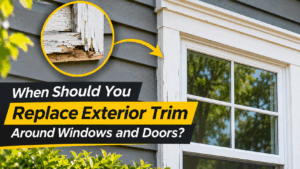
Damaged or loose trim can expose areas that are meant to stay protected.
Watch for:
- Cracks
- Separation
- Rot
- Loose boards
- Peeling finishes
- Gaps between trim and siding
Our article on siding trim and corner details explains why these finishing details matter.
Storms Can Make Existing Problems Worse
Strong wind and heavy rain can put additional stress on roofline siding.
After severe weather, it is worth checking the exterior for visible changes.
Pay particular attention to:
- Upper gables
- Roof intersections
- Dormers
- Corners
- Soffits
- Fascia
- Areas near gutters
If something looks different than it did before the storm, it may be worth having it inspected.
When Is Replacement Worth Considering?
A small isolated issue may be repairable.
Replacement may make more sense when you are seeing multiple problems, such as:
- Repeated loose panels
- Widespread fading
- Cracks
- Warping
- Moisture damage
- Deteriorated trim
- Multiple repair areas
- Aging siding throughout the exterior
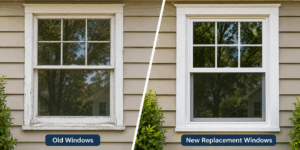
The condition of the entire siding system matters more than one damaged panel.
Protect the Upper Areas of Your Exterior
Siding around rooflines, dormers, and gables plays an important role in protecting the home while also shaping its appearance.
At Midwest Windows, Siding & Doors, we help homeowners evaluate siding condition, trim details, and exterior problem areas before recommending repair or replacement.
Homeowners throughout our Chicagoland service areas can call 773-277-2100 or schedule a free consultation to get started.