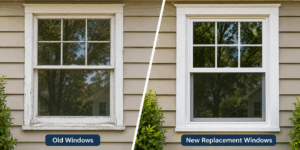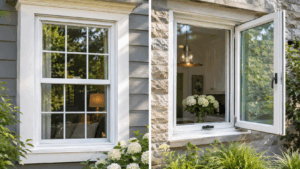
When it’s time to replace aging windows, one of the first decisions is whether to update the entire home at once or replace only the windows causing the biggest problems.
Both approaches can make sense.
The right choice depends on the condition of your current windows, your budget, your remodeling plans, and whether you want the finished exterior to look completely consistent.
If you’re considering replacement windows, here are the main factors to think about.
When Replacing Only a Few Windows Makes Sense
You do not necessarily need to replace every window in the house just because one or two are failing.
Replacing a smaller group may make sense when:
- Only certain windows are drafty
- A few insulated glass units have failed
- One side of the home gets more weather exposure
- Several windows are difficult to operate
- You are renovating one room at a time
- Other existing windows are still performing well
This approach allows you to address the most immediate problems first.
Start With the Windows Causing the Biggest Problems
If you’re replacing windows in phases, prioritize the ones affecting comfort or operation.
Common warning signs include:
- Noticeable drafts
- Fogging between the panes
- Water damage
- Windows that will not lock
- Difficult opening or closing
- Deteriorated frames
- Recurring leaks
A cosmetic issue may be less urgent than a window that no longer seals properly or has moisture damage around the opening.
Replacing Everything at Once Creates a More Consistent Look
One advantage of a full-home window project is consistency.
When all the windows come from the same product line, you can keep the same:
- Frame profile
- Frame color
- Glass appearance
- Grille pattern
- Hardware
- Exterior trim details
This can be especially noticeable from the exterior.
If your existing windows vary in age or style, replacing them all at once can give the home a more coordinated appearance.
Phased Replacement Can Create Small Visual Differences
Window products change over time.
If you replace half of the windows now and the rest several years later, the exact product may no longer be available.
Even similar windows can have differences in:
- Frame thickness
- Glass tint
- Hardware
- Grille spacing
- White or neutral color tones
- Exterior profiles
That does not mean phased replacement is a bad choice, but it is something to consider if matching is important.
Our guide to why replacement windows may look different from your old ones covers some of these differences.
Consider Which Windows Are Visible Together
If you’re replacing windows gradually, think about how they appear from both inside and outside.
For example, replacing every window across the front elevation at the same time can help maintain a consistent exterior appearance.
You might then complete the back or sides of the house during a later phase.
Inside the home, replacing all the windows within the same room can also prevent noticeable differences between adjacent units.
Installation Costs May Be More Efficient in a Larger Project
A larger window project can sometimes be more efficient because the installation team is already at the home completing multiple openings.
A phased project may require separate visits, measurements, deliveries, and installation schedules.
That does not automatically make replacing everything at once cheaper, but homeowners should compare the complete project cost rather than only the individual window price.
Think About the Age of the Remaining Windows
If one window has failed but the rest are significantly newer and performing well, replacing only the problem window may be reasonable.
However, if most of the windows were installed at the same time and several are beginning to develop similar issues, replacing only one may simply delay a larger project.
Look for patterns such as:
- Multiple failed seals
- Similar drafts
- Aging weatherstripping
- Repeated hardware problems
- Deteriorating frames
When several windows are reaching the same stage of wear, a larger replacement project may make more sense.
Energy Performance Can Vary Between Old and New Windows
Replacing only part of the home means you may have different levels of window performance from room to room.
Newer windows may use updated insulated glass, Low-E coatings, weatherstripping, and frame designs.
Older windows may still perform adequately, but they may not have the same ratings.
If energy performance is one of your priorities, review our guide to window energy ratings.
Remodeling Plans Can Affect the Decision
If you expect to remodel part of the home soon, it may make sense to coordinate the windows with that project.
For example, future plans could involve:
- Changing a window size
- Reconfiguring a room
- Replacing siding
- Updating exterior trim
- Adding a patio door
- Changing the exterior color scheme
Planning these projects together can help avoid replacing or refinishing the same materials twice.
There Is No Rule That Every Window Must Be Replaced Together
Some homeowners prefer completing the entire project at once.
Others replace windows in stages over several years.
Neither approach is automatically better.
The most important thing is to understand:
- Which windows actually need attention
- How long the remaining windows may last
- Whether matching matters
- Your budget
- Your future remodeling plans
- The installation approach being recommended
Build a Window Replacement Plan That Fits Your Home
A good replacement plan should address the windows causing problems now while also considering the rest of the home.
At Midwest Windows, Siding & Doors, we help homeowners evaluate existing windows, compare replacement options, and determine whether a phased or full-home project makes the most sense.
Homeowners throughout our Chicagoland service areas can call 773-277-2100 or schedule a free consultation to get started.