When homeowners think about replacing siding, the first decisions are usually color, material, and style. However, the finishing details can have just as much influence on how your home’s exterior looks.
Window surrounds, corner trim, fascia, and decorative accents help define your home’s architectural features and create a more polished appearance.
For Chicago-area homeowners planning a siding replacement, choosing the right trim and corner details can turn a simple exterior update into a more coordinated transformation.
Why Exterior Trim Matters
Exterior trim creates a visual transition between your siding and other features, including windows, doors, and rooflines.
Without thoughtfully selected trim, even attractive new siding can look unfinished.
Well-designed exterior trim can help:
- Highlight windows and entry doors
- Create contrast between exterior colors
- Define architectural features
- Complement your home’s original style
- Give siding transitions a cleaner appearance
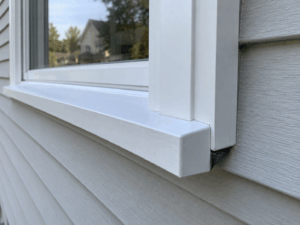
Trim also has a practical role. Depending on the siding system, properly installed trim and flashing help manage water around vulnerable exterior openings.
1. Window Trim Can Change Your Home’s Appearance
Windows naturally attract attention, making the surrounding trim an important design choice.
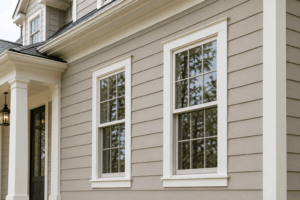
Wide white window trim creates a classic appearance, particularly on Colonial and traditional suburban homes. Narrower profiles can provide a cleaner look for contemporary exteriors.
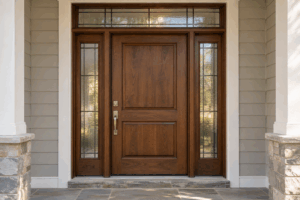
Homeowners can also coordinate window trim with their entry door, siding color, and other exterior accents.
For example, white trim against dark blue siding creates a traditional contrast, while black window frames paired with neutral siding can produce a more modern appearance.
2. Corner Trim Creates a Clean, Finished Look

Corner trim is one of the most overlooked details in a siding project.
It provides a finished transition where two exterior walls meet and can either blend into the siding or create a contrasting architectural feature.
Matching corner trim gives the exterior a consistent appearance. Contrasting trim, meanwhile, can emphasize the home’s shape and make its architectural lines more noticeable.
Larger corner boards can complement traditional home designs, while narrower profiles may suit more contemporary styles.
The available options depend on the siding material and manufacturer.
3. Contrasting Trim Can Highlight Architectural Features
Choosing trim in a different color from your siding is one way to add dimension without making major structural changes.
Popular combinations include white trim with charcoal siding, cream trim with warm taupe siding, and dark trim with lighter exterior colors.
The key is consistency.
If you choose contrasting corner trim, consider using the same color around your windows, doors, and other architectural features.
This helps create a coordinated appearance rather than making each element look like a separate design decision.
4. Fascia and Roofline Details Complete the Exterior
Your siding doesn’t stop at the walls. The fascia and soffits near the roofline also contribute to your home’s appearance.
Fascia is the finishing board along the roof’s edge, while soffits cover the underside of roof overhangs.
Coordinating these details with your siding and trim can make the entire exterior feel more cohesive.
For example, a home with white window trim and corner boards may benefit from matching fascia. A more contemporary exterior might use darker roofline details to complement black window frames or a dark entry door.
5. Coordinate Trim With Your Windows and Doors
If you’re planning to replace siding, consider your existing windows and entry door before finalizing your trim selections.
You don’t necessarily need to replace everything at once. However, planning the color combinations together can prevent mismatched finishes later.
Think about your window frame colors, door finish, exterior lighting, garage door, and gutters.
Even smaller details can make a noticeable difference when viewed as part of the entire exterior.
6. Proper Installation Is Just as Important as Appearance
Exterior trim isn’t purely decorative.
Trim around windows, doors, and siding transitions needs to be installed according to the requirements of the siding system.
Incorrect installation can contribute to gaps, water intrusion, loose components, and premature deterioration.
Chicago’s changing seasons make these details particularly important. Exterior materials experience repeated temperature changes, wind, rain, and freezing conditions throughout the year.
Choosing experienced siding installers helps ensure that the finished exterior looks attractive while allowing the siding system to perform as intended.
Planning Your Siding Replacement
Before beginning a siding replacement project, look at your home as a complete exterior rather than focusing on the siding panels alone.
Consider which architectural features you’d like to highlight, whether contrasting or matching trim suits your preferred style, and how your selections will coordinate with your existing windows and doors.
Your contractor can help you review available trim profiles, corner details, and siding combinations that complement your home’s architecture.
Siding Replacement in Chicagoland
New siding provides an opportunity to refresh your home’s appearance, and the right trim details can help bring the entire design together.
At Midwest Windows, Siding & Doors, we help Chicago-area homeowners explore siding styles, exterior trim, and finishing details that complement their homes. Our siding services include exterior trim and other finishing options.
Call 773-277-2100 or schedule your free consultation to get started.