When comparing replacement windows, homeowners often focus on glass, color, and energy efficiency. One detail that can be easy to overlook is frame thickness.
Two windows with the same overall opening size can provide noticeably different amounts of visible glass depending on how the frame and sash are designed.
For Chicagoland homeowners who want to maximize natural light, understand sightlines, or preserve the appearance of older windows, frame dimensions are worth comparing before making a decision.
Why Are Some Window Frames Thicker?
Window frame thickness can vary based on the material, manufacturer, operating style, and structural design of the window.
A thicker frame may be needed to accommodate:
- Insulated glass
- Multiple chambers within the frame
- Reinforcement
- Locking hardware
- Weatherstripping
- Structural requirements
This does not automatically mean a thicker frame is better or worse. The important question is how the complete window performs and how it looks once installed.
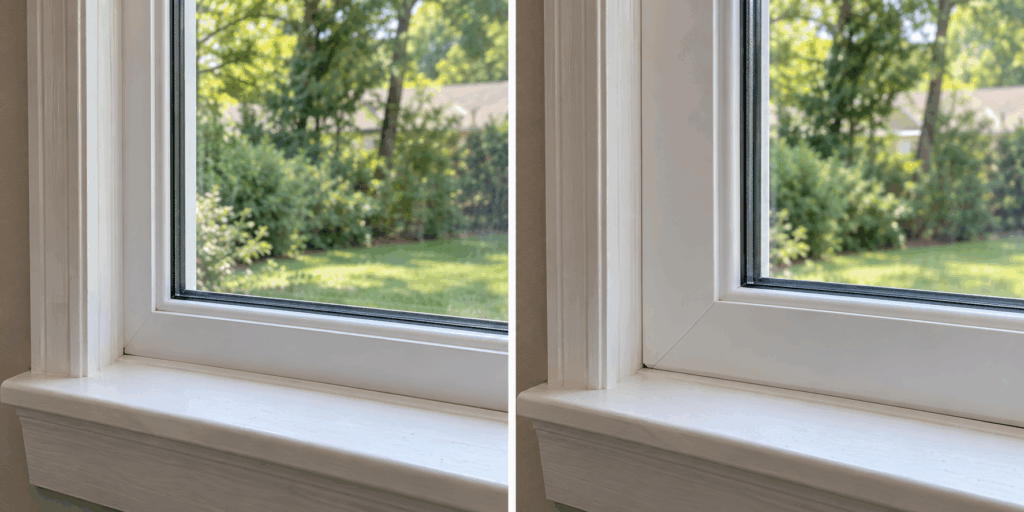
Replacement windows with different frame thicknesses.
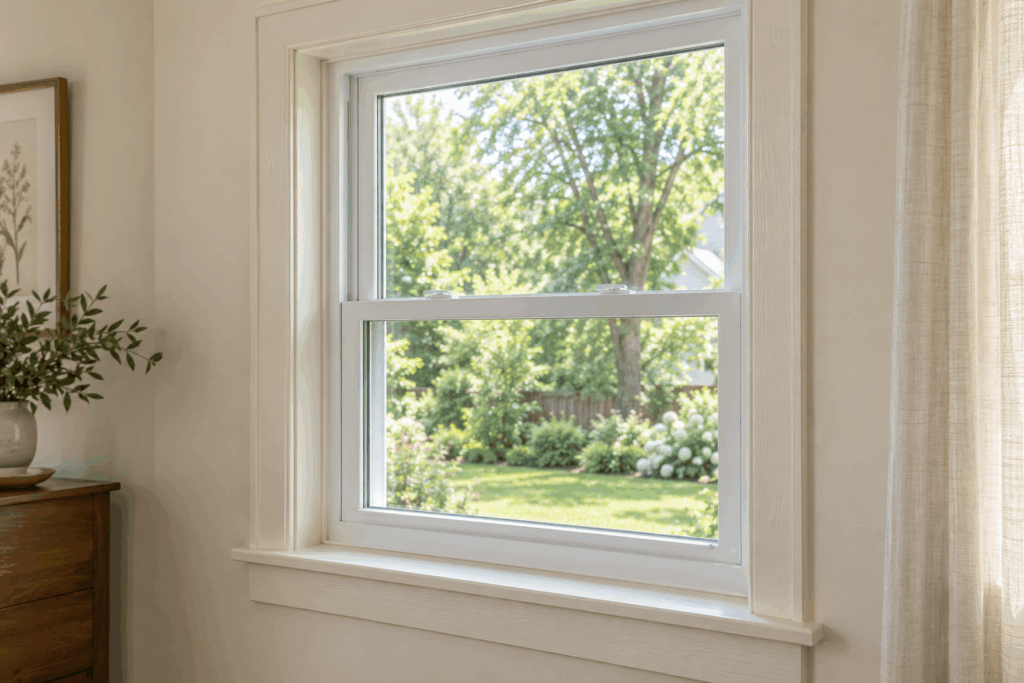
Thicker Frames Can Reduce Visible Glass
The more space the frame and sash occupy, the less glass remains within the same rough opening.
This can become especially noticeable when replacing older windows that originally had narrow wood frames.
If maintaining natural light is important, ask how much visible glass area the new window will provide compared with your current window.
Large picture windows may make the difference less noticeable, while smaller windows can be more sensitive to changes in frame width.
Insert Replacement Can Also Affect Glass Area
The installation method can influence the finished sightline.
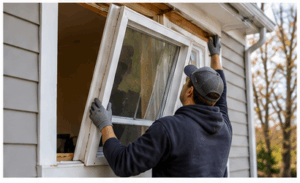
With an insert replacement, the new window is installed inside the existing frame. Because the original frame remains in place, the new window may slightly reduce the visible glass area.
Our guide to insert vs. full-frame window replacement explains why the condition of the existing frame and the installation method should both be considered.
Insert replacement window inside an existing frame.
Window Style Makes a Difference
Different operating styles naturally require different frame and sash designs.
For example:
- Picture windows can often provide larger uninterrupted glass areas.
- Casement windows need space for hinges and locking hardware.
- Double-hung windows contain two operating sashes.
- Sliding windows require tracks for horizontal operation.
That means comparing frame thickness only makes sense when you’re looking at similar window types.
If you’re still comparing styles, What Makes One Replacement Window Better Than Another? covers other factors that can influence window performance and value.
Slimmer Isn’t Always Better
A narrow frame can provide a clean appearance and more visible glass, but frame width should not be the only consideration.
Homeowners should also compare:
- Energy performance
- Structural strength
- Air leakage
- Glass packages
- Hardware
- Warranty coverage
- Installation quality
The best window is one that balances appearance with the performance your home needs.
Think About the View From Inside and Outside
Frame dimensions affect both the exterior appearance of the home and the view from inside.
If you’re replacing several windows at once, consistent frame profiles can help create a more coordinated exterior.
This is also a good time to consider grille patterns, frame colors, and trim. Our guide to window grille styles for Chicago homes explains how those details can further change the appearance of replacement windows.
Compare the Actual Windows Before You Buy
Specifications are useful, but seeing a window in person can make differences in frame thickness much easier to understand.
At Midwest Windows, Siding & Doors, homeowners can compare window styles, frame profiles, glass packages, and other design features before making a decision.
You can visit our Schaumburg showroom or explore options from anywhere within our Chicagoland service areas.
Call 773-277-2100 or schedule a free consultation to get started.