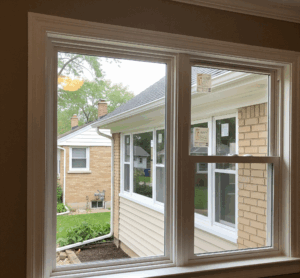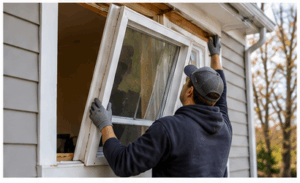
Not all replacement windows perform the same way. Two windows may look nearly identical but provide different levels of insulation, sunlight control, and energy efficiency.
For homeowners throughout Chicago and the surrounding suburbs, understanding window energy ratings can help you compare products suited to cold winters, hot summers, and changing weather.
Before investing in replacement windows , here are four important measurements to understand.
1. U-Factor: How Well Your Windows Insulate

U-factor measures how readily heat passes through a window. The lower the number, the better the insulating performance.
This is particularly important during Chicago winters, when heat naturally moves from your warm home toward the colder outdoors.
For example, a window with a U-factor of 0.22 provides better insulation than one rated 0.30.
When comparing windows, look at the rating for the entire unit, including its glass and frame, rather than the glass alone.
2. Solar Heat Gain: Managing Sunlight and Heat

Solar Heat Gain Coefficient (SHGC) measures how much solar heat passes through a window.
A lower rating allows less solar heat inside, which can help prevent certain rooms from becoming excessively warm during summer. A higher rating allows more solar warmth to enter during colder months.
For Chicagoland homeowners, the appropriate rating depends on window placement, sunlight exposure, and the home’s overall design.
For example, west-facing windows exposed to intense afternoon sunlight may benefit from different glass characteristics than shaded windows.
Explore Midwest’s energy-efficient window options to learn more about glass packages designed for improved comfort.
3. Visible Transmittance: How Much Natural Light Enters
Visible Transmittance (VT) measures how much visible daylight passes through a window.
A higher rating generally means more natural light enters the room.
This measurement is useful for homeowners who want to brighten darker living spaces while upgrading their existing windows.
However, more daylight isn’t always the goal. Glare, privacy, window orientation, and excessive afternoon sunlight should also influence your decision.
4. Air Leakage: Understanding Draft Resistance
Air leakage ratings measure how much air passes through a window assembly under standardized testing conditions.
Lower ratings indicate less air infiltration.
If your existing windows are drafty, selecting products with good air leakage performance may help improve indoor comfort.
Installation matters, too. Even high-quality windows may allow unwanted air to enter if gaps are left around the frame.
Read Midwest’s article, Why Professional Window Installation Matters More Than You Think , to understand how proper installation affects long-term performance.
What Does ENERGY STAR Mean for Chicago Homes?
ENERGY STAR-certified windows meet specific energy-performance requirements based on climate zones.
Chicago falls within the Northern climate zone, where winter insulation is an important consideration.
When comparing products, check that the window is certified for your region rather than relying on the ENERGY STAR label alone.
For a closer look at energy efficiency and potential savings, read our article, Are ENERGY STAR Windows Worth It in Illinois? .
Choosing the Right Windows for Your Home
The right combination of energy ratings depends on your home’s construction, existing windows, sunlight exposure, and comfort priorities.
Whether you’re replacing windows in Chicago, Schaumburg, or another community within our Chicagoland service area , compare complete product ratings, glass options, warranties, and installation requirements before making your decision.
At Midwest Windows, Siding & Doors , we help homeowners explore replacement windows that balance energy efficiency, appearance, and long-term performance.
You can also visit our Schaumburg showroom to explore window options in person.
Call 773-277-2100 or schedule your free consultation to get started.