Siding is installed in separate panels, so some seams and movement are normal. However, noticeable gaps, uneven joints, or sections that appear to be separating can sometimes signal an installation or maintenance problem.
For Chicagoland homeowners, seasonal temperature changes can make siding movement more noticeable throughout the year.
If you’re considering siding replacement or simply inspecting your existing exterior, here’s what to look for.
Some Siding Movement Is Normal
Many siding materials expand and contract as outdoor temperatures change.
That means siding generally should not be installed so tightly that it has no room to move.
A properly installed exterior may have subtle seams between panels without anything being wrong.
What matters is whether those seams remain consistent and whether the panels stay properly secured.
When Gaps Become More Concerning
Large or developing gaps deserve more attention, particularly when they appear suddenly.
Potential warning signs include:
- Panels separating at the ends
- Uneven horizontal seams
- Corners pulling away
- Visible gaps around windows or doors
- Panels that no longer sit flat
- Sections that move noticeably in the wind
These issues may result from installation problems, damaged components, age, or severe weather.
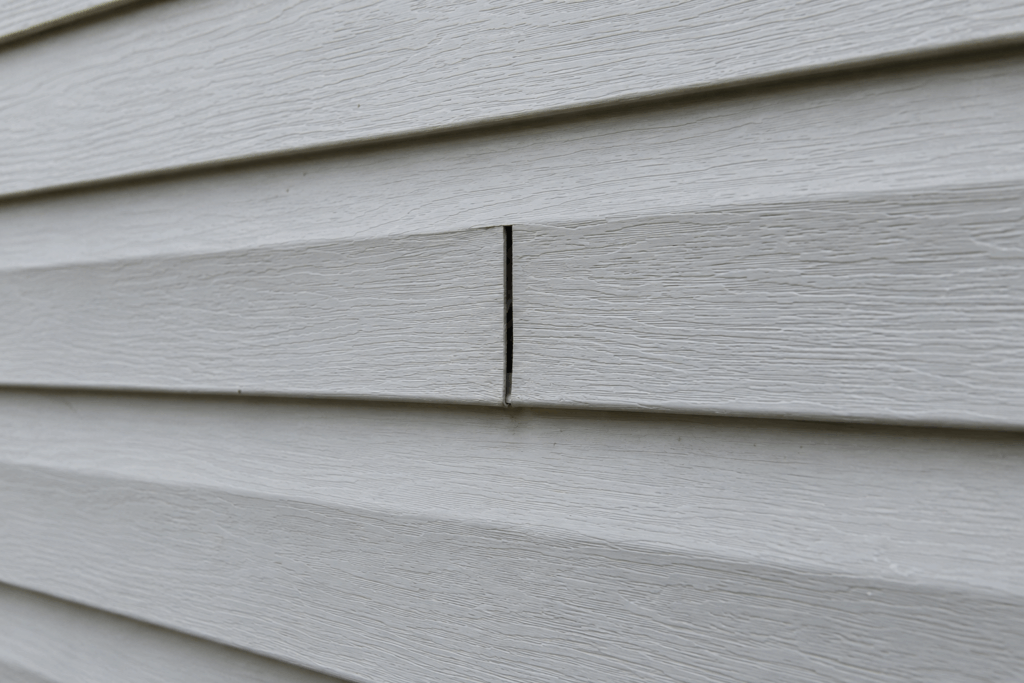
Noticeable gap between siding panels on a suburban home.
Temperature Changes Can Affect Siding
Chicago homes experience major temperature swings between summer and winter.
As siding materials expand and contract, panels need enough room to move without buckling or separating.
If panels were installed too tightly, they may begin to warp or buckle as temperatures rise. If they were improperly secured or cut too short, noticeable gaps may develop.
For more on movement-related problems, read Why Siding Can Start Buckling or Warping.
Watch the Areas Around Windows and Doors
Openings in the exterior wall require careful finishing.
Siding around windows and doors should transition neatly into trim while allowing the wall system to manage moisture.
Pay attention to:
- Separation between siding and trim
- Cracked or missing caulk where appropriate
- Loose trim pieces
- Water staining
- Panels that appear uneven around the opening
A visible gap doesn’t always mean water is entering the wall, but recurring moisture or deterioration should be investigated.
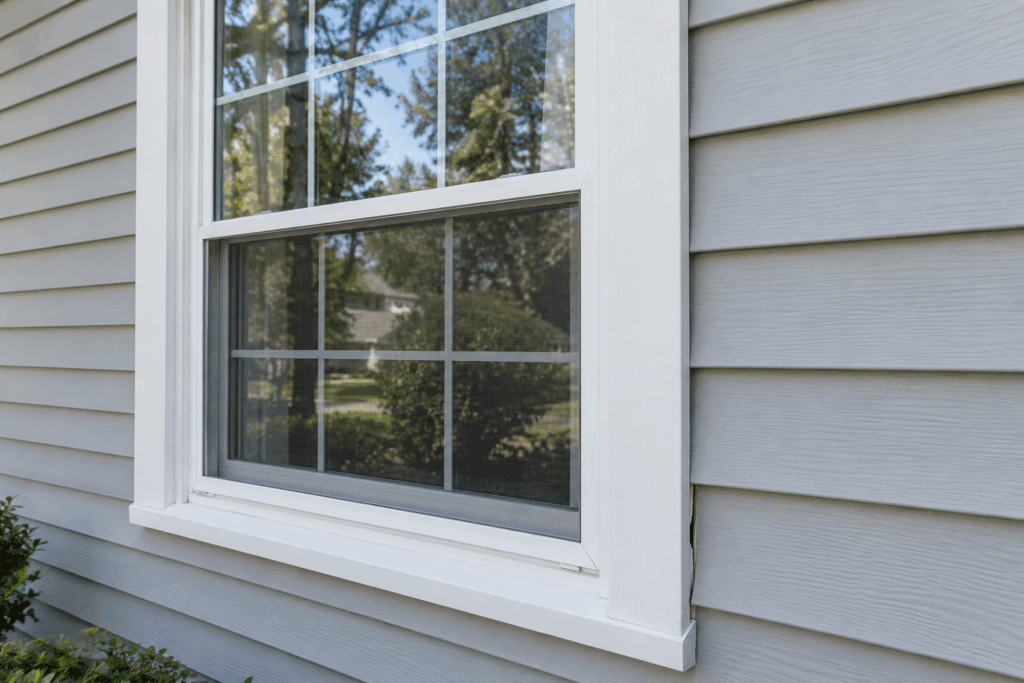
Siding separation near exterior window trim.
If moisture is a concern, see How to Spot Hidden Water Damage Behind Your Siding.
Improper Fastening Can Create Problems
Siding needs to be secured correctly while still allowing appropriate movement.
Fasteners that are too tight can restrict expansion. Fasteners that are loose or improperly positioned may allow excessive movement.
Over time, installation problems can show up as:
- Rattling panels
- Uneven siding
- Buckling
- Separation
- Panels pulling away from the wall
If you’re already hearing movement during windy weather, our guide to loose and rattling siding covers additional warning signs.
Can Individual Panels Be Repaired?
Sometimes.
If the issue is isolated and matching material is available, repairing a small section may be possible.
Replacement may make more sense when gaps and movement appear throughout the exterior or when the siding also has cracking, fading, moisture damage, or repeated repair needs.
The condition of the entire siding system should guide the decision.
Keep an Eye on Changes Over Time
One of the easiest ways to identify a problem is to notice whether the exterior is changing.
A small seam that has looked the same for years may simply be part of the installation. A gap that continues getting wider or appears after a storm is more worth investigating.
At Midwest Windows, Siding & Doors, we help homeowners evaluate siding condition and explore replacement options designed for Chicagoland weather.
Homeowners throughout our service areas can call 773-277-2100 or schedule a free consultation to get started.