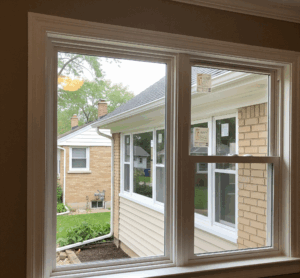
When homeowners start comparing replacement windows, one of the first decisions is how the new window will be installed.
Two common approaches are insert replacement and full-frame replacement. Both can provide a successful result, but they are designed for different situations.
For Chicagoland homeowners, understanding the difference can make it easier to compare estimates and know what work is actually being proposed.
What Is Insert Window Replacement?
Insert replacement, sometimes called pocket replacement, installs a new window inside the existing window frame.
The original frame and much of the surrounding interior and exterior trim remain in place.
Insert replacement may be appropriate when:
- The existing frame is still in good condition
- There is no significant rot or water damage
- The opening is reasonably square
- You want to preserve existing interior trim
- The current window frame does not need to be removed
Because less of the existing opening is disturbed, an insert installation can sometimes involve less finishing work.
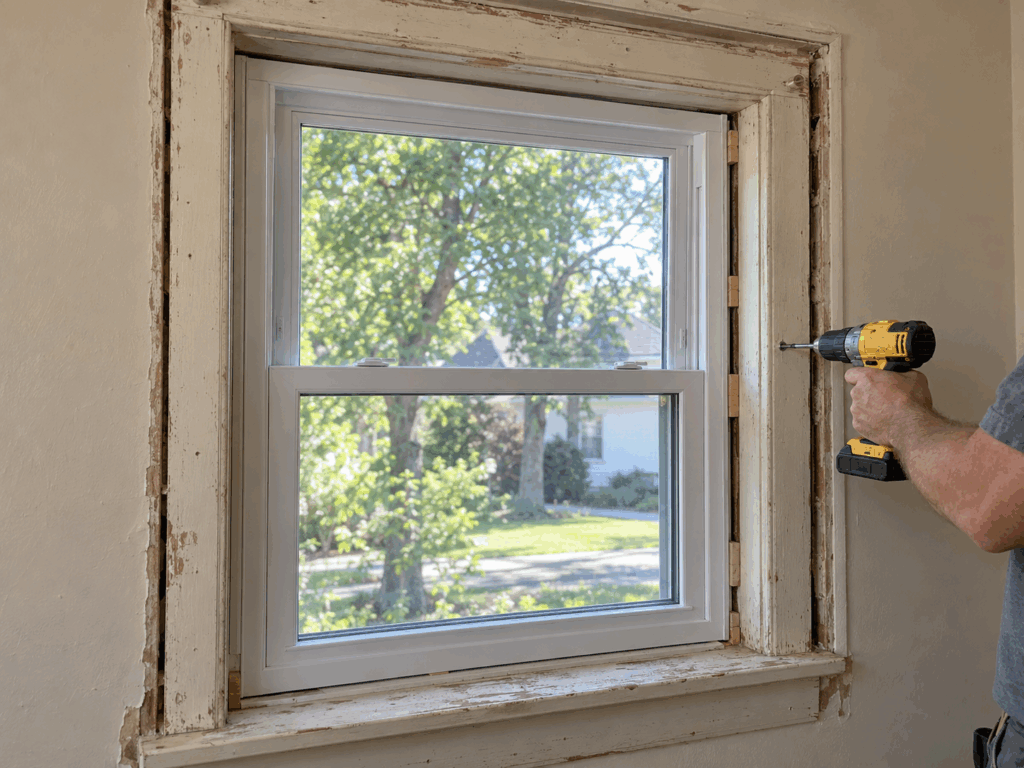
Insert replacement window installed inside an existing frame.
What Is Full-Frame Window Replacement?
Full-frame replacement removes the existing window unit down to the original rough opening.
This allows the installer to inspect more of the area surrounding the window before installing the new unit.
Full-frame replacement may make more sense when:
- The existing frame is damaged
- Water intrusion or rot is present
- The opening needs significant correction
- You want to change the window size or style
- Existing trim or framing needs to be replaced
- Previous installation problems need to be addressed
Removing the entire window can also provide better access to the areas around the opening for insulation, flashing, and other installation details.
Midwest’s article on why professional window installation matters explains why these details can have a major impact on long-term performance.
Full-Frame Replacement Provides a Closer Look at the Opening
One advantage of full-frame replacement is the ability to see conditions that may have been hidden by the old window.
Once the original frame is removed, installers may be able to identify:
- Deteriorated wood
- Water damage
- Gaps in insulation
- Improper flashing
- Previous installation issues
- Damage around the rough opening
This can be particularly important when older windows have experienced recurring leaks or moisture problems.
If you’re already noticing staining or water around your windows, read What Happens When Water Gets Behind Your Window Trim? for additional warning signs to watch for.
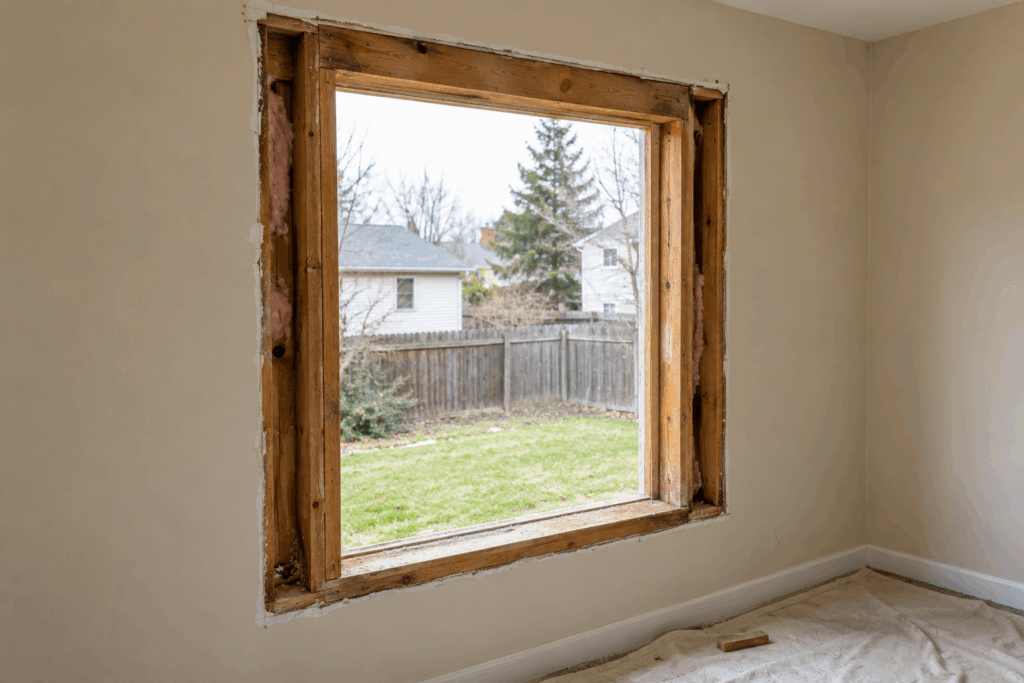
Rough opening exposed during full-frame window replacement.
Does Insert Replacement Reduce Glass Area?
It can.
Because an insert window is installed inside the existing frame, the new unit may slightly reduce the visible glass area compared with the original window.
The difference depends on the existing frame and replacement product.
For many homeowners, this is minor. However, it is worth asking about if maximizing natural light or maintaining the largest possible glass area is important to you.
Which Installation Costs More?
Full-frame replacement typically involves more labor and finishing because more of the existing window assembly is removed.
Insert replacement may require less work when the existing frame is suitable for reuse.
However, the least expensive installation method is not automatically the best choice.
If the existing frame is damaged or allowing water into the wall, installing a new window inside it may leave the underlying issue unresolved.
Your estimate should clearly explain which installation method is being proposed and why.
Can You Change Window Styles?
Full-frame replacement generally provides greater flexibility if you want to significantly change the window configuration.
For example, a homeowner may want to replace an existing window with a different operating style or modify the dimensions of the opening.
If you’re still comparing products, What Makes One Replacement Window Better Than Another? covers additional factors to consider when selecting new windows.
Which Method Is Better?
Neither installation method is automatically better for every home.
Insert replacement can work well when the existing frame is structurally sound and you want a less invasive installation.
Full-frame replacement may be preferable when the existing window assembly is damaged, deteriorated, improperly installed, or needs substantial changes.
The condition of the existing opening should guide the decision.
Replacement Windows for Chicagoland Homes
At Midwest Windows, Siding & Doors, we help homeowners understand both the window product and the installation method being recommended for their home.
Whether you live in Chicago, Schaumburg, or elsewhere within our Chicagoland service areas, the goal is to choose an installation approach that addresses the actual condition of your existing windows.
Call 773-277-2100 or schedule a free consultation to explore your replacement window options.