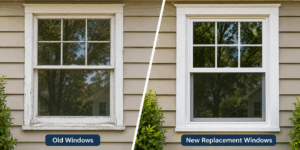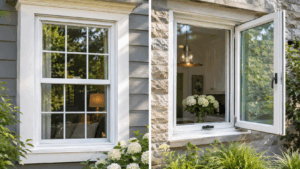
Exterior trim around windows and doors does more than finish the look of your home.
It helps create clean transitions between siding, windows, doors, and the surrounding wall. When trim begins to crack, rot, separate, or hold moisture, it can also become a warning sign that the surrounding exterior needs attention.
For Chicagoland homeowners, regular exposure to rain, snow, wind, and changing temperatures can gradually wear down exterior trim.
What Does Exterior Trim Actually Do?
Exterior trim helps finish and protect the edges around openings in your home.
You’ll commonly find it around:
- Windows
- Entry doors
- Patio doors
- Corners
- Rooflines
- Gables
Depending on the home, trim may be made from wood, composite materials, PVC, aluminum-wrapped materials, or other exterior products.
The trim itself is only one part of the system. It needs to work with siding, flashing, sealants, and the window or door installation to help manage water properly.
Cracked or Peeling Trim Should Be Watched
Small cosmetic flaws do not always mean the trim needs immediate replacement.
However, peeling paint, cracking finishes, or repeated deterioration can allow moisture to reach the material underneath.
Watch for:
- Peeling or flaking paint
- Open cracks
- Exposed wood
- Soft spots
- Dark discoloration
- Sections pulling away from the wall
If the same area keeps deteriorating after repairs, there may be an underlying moisture issue.
Soft or Rotted Wood Is a Bigger Concern
Wood trim can deteriorate when it is repeatedly exposed to moisture.
If you can press into the material easily or sections begin crumbling, the trim may already be rotting.
Rot can sometimes be limited to a small section, but it is important to determine whether moisture has reached materials behind the trim.
This is especially important around windows, where hidden water intrusion can affect the surrounding framing.
Our guide to what happens when water gets behind window trim explains some of the warning signs.
Look for Gaps Around Windows and Doors
Trim should create clean transitions around the opening.
If you begin noticing gaps between the trim and siding, window, or door frame, it may be worth investigating.
Potential causes include:
- Material movement
- Failed sealant
- Improper installation
- Moisture damage
- Aging materials
- Movement within the structure
Small gaps may sometimes be addressed with maintenance, while larger or recurring separation can indicate a more significant problem.
Water Stains Can Point to a Larger Issue
Discoloration around trim deserves attention, especially when it returns after rain.
Look for:
- Dark streaks
- Brown staining
- Peeling finishes
- Soft materials
- Interior staining near the same opening
Replacing damaged trim without correcting the source of the water may only provide a temporary fix.
Flashing and water management around the opening should also be considered.
For window-related issues, see What Is Window Flashing and Why Does It Matter?.
Trim Can Affect Curb Appeal Too
Even when the damage is mostly cosmetic, deteriorated trim can make otherwise good siding, windows, or doors look older.
Fresh, properly proportioned trim can help highlight:
- New windows
- Entry doors
- Siding
- Rooflines
- Architectural details
Contrast can also make a major visual difference.
For example, white trim can make darker siding feel sharper, while matching trim can create a cleaner, more understated appearance.
Should Trim Be Replaced When You Replace Windows?
Sometimes it makes sense.
During a full-frame window replacement, more of the existing window assembly is removed, which can create an opportunity to update deteriorated trim at the same time.
However, trim does not automatically need replacement just because the window is being replaced.
The decision should depend on:
- Material condition
- Water damage
- Installation method
- Desired finished appearance
- Whether the existing trim can be reused
Ask how the interior and exterior trim will be handled before the project begins.
What About Trim Around Entry Doors?
The same principles apply around entry doors.
Door trim can experience additional wear near thresholds, lower corners, and areas exposed to wind-driven rain.
Check for:
- Soft lower sections
- Gaps around the frame
- Cracked caulk
- Peeling paint
- Water staining
- Separation from siding
If the door itself is also difficult to close or seal, the frame and surrounding opening should be evaluated together.
Repair or Replace?
A small crack or failed section of sealant may only need maintenance.
Replacement becomes more worth considering when you see:
- Rot
- Widespread cracking
- Repeated water damage
- Significant separation
- Missing sections
- Multiple previous repairs
- Deterioration around several openings
The goal is to address both the visible damage and whatever caused it.
Keep the Entire Exterior Working Together
Windows, doors, siding, flashing, and trim all meet at important transition points around the home.
At Midwest Windows, Siding & Doors, we help homeowners evaluate exterior conditions and determine whether window, door, siding, or trim work should be addressed together.
Homeowners throughout our Chicagoland service areas can call 773-277-2100 or schedule a free consultation to get started.