A front door that suddenly becomes difficult to open or close can be more than an everyday annoyance. Sometimes the problem is as simple as a loose hinge or seasonal movement. In other cases, a sticking door can point to deterioration, moisture exposure, frame problems, or an aging entry door that may be ready for replacement.
For homeowners in Chicago and the surrounding suburbs, seasonal temperature and humidity changes can make these problems particularly noticeable.
Before assuming you need a new door, it helps to understand why front doors stick, which problems can be repaired, and when replacement may make more sense.
Why Do Front Doors Start Sticking?
Your entry door, frame, hinges, threshold, and weatherstripping all work together. A change or problem with any one of these components can affect how smoothly the door operates.
Common causes include:
- Loose or worn hinges
- Door or frame misalignment
- Moisture-related swelling
- Changes caused by temperature and humidity
- Damaged weatherstripping
- Problems around the threshold
- Deterioration of the door or frame
- An older door that no longer fits the opening properly
Identifying the cause is important because not every sticking door needs to be replaced.
Check the Hinges First
Hinges are one of the simplest places to start.
Over years of regular use, hinge screws can loosen and allow the door to sag slightly. Even a small change in alignment can cause one edge of the door to rub against the frame.
If the door otherwise appears to be in good condition, tightening or adjusting the hardware may solve the problem.
But if the hinges repeatedly loosen, the surrounding material is damaged, or the door remains significantly misaligned after adjustment, there may be a larger issue.
Chicago’s Seasonal Changes Can Affect Your Door
A door that operates perfectly during one part of the year but sticks during another may be reacting to changing environmental conditions.
Chicago-area homes experience hot, humid summers followed by cold, dry winters. Materials around an entryway can expand and contract as temperature and moisture levels change.
Wood doors can be particularly susceptible to moisture-related expansion, although the performance of any entry system can also be affected by the condition of its frame and installation.
Occasional minor seasonal changes aren’t necessarily a reason to replace a door. Persistent or worsening problems deserve more attention.
Look at Where the Door Is Rubbing
Where the door sticks can provide clues about what’s happening.
If it rubs near the top corner, the door may be sagging or out of alignment. If it catches along an entire side, the door or frame may have shifted. Difficulty along the bottom can point toward the threshold, swelling, or alignment problems.
You may also notice:
- Scrape marks on the door or frame
- Uneven gaps around the perimeter
- A door that doesn’t sit squarely in the opening
- Difficulty engaging the lock or deadbolt
- Light visible around portions of the closed door
These symptoms can help distinguish a relatively minor adjustment from a more significant problem with the entry system.
Pay Attention to Drafts Around the Door
A sticking door accompanied by noticeable drafts deserves additional attention.
When an entry door no longer closes or seals properly, outside air may find its way around the perimeter.
Worn weatherstripping can sometimes be replaced without replacing the entire door. But if the door itself is warped, damaged, deteriorated, or significantly misaligned, new weatherstripping alone may not solve the underlying problem.
For Chicago homeowners, maintaining a properly sealed entryway is particularly important during cold and windy weather.
Moisture Can Cause Bigger Problems
Moisture around an exterior door shouldn’t be ignored.
Depending on the door material and source of the problem, prolonged moisture exposure can contribute to swelling, deterioration, peeling finishes, soft areas, or damage around the frame.
Look closely around the bottom of the door and frame for signs such as:
- Swelling
- Discoloration
- Soft or deteriorating material
- Peeling or damaged finishes
- Recurring moisture
- Visible gaps or deterioration around the frame
If moisture has caused substantial deterioration, a simple adjustment may no longer be enough.
When Can a Sticking Door Be Repaired?
A repair or adjustment may make sense when:
- The hinges simply need tightening
- The hardware is worn but replaceable
- Weatherstripping needs replacement
- The threshold needs a minor adjustment
- The door is otherwise structurally sound
- The sticking is minor and caused by a correctable alignment issue
This is why it’s worth determining the source of the problem before automatically assuming you need a new entry door.
When Should You Consider Replacing the Door?
Replacement becomes more worth considering when sticking is just one of several problems.
For example, you may want to evaluate replacement if your door:
- Is significantly warped or deteriorated
- Has recurring moisture damage
- No longer fits properly within the frame
- Is difficult to lock securely
- Has substantial gaps even when closed
- Requires repeated repairs or adjustments
- Has visible damage that affects its operation
- Is aging and no longer meeting your home’s needs
At that point, continually repairing individual components may offer diminishing returns.
Don’t Forget About the Door Frame
Sometimes the door isn’t actually the main problem.
A damaged, deteriorated, or improperly aligned frame can make even a good door difficult to operate. That’s why evaluating the entire entry system is important.
Simply replacing a door slab without addressing problems around the frame may leave the original issue unresolved.
Professional installation can help ensure the new entry door is properly fitted, aligned, secured, and sealed within the opening.
A New Entry Door Can Change More Than How It Opens
If replacement does become the right option, homeowners have an opportunity to address more than the sticking problem.
A new entry door can also update:
- Curb appeal
- Door style and color
- Glass and decorative options
- Weather protection
- Energy efficiency
- Security features
- Overall operation
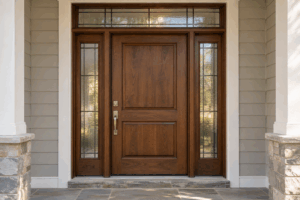
The front door is one of the most noticeable elements of a home’s exterior, so replacement can be both a practical and visual improvement.
Is Your Front Door Trying to Tell You Something?
A door that sticks once in a while isn’t necessarily a major concern. But a door that consistently becomes harder to open, close, seal, or lock deserves a closer look.
Start with the simple possibilities—hinges, hardware, weatherstripping, and alignment. If the problem persists or you discover warping, deterioration, moisture damage, or significant gaps, it may be time to consider whether replacement offers a better long-term solution.
Explore Entry Door Replacement With Midwest Windows, Siding & Doors
If your front door is becoming difficult to operate or showing signs of age and deterioration, Midwest Windows, Siding & Doors can help you explore your options.
We provide professionally installed entry doors for homeowners throughout Chicago and the surrounding suburbs, with options designed to complement your home’s appearance and exterior needs.
Contact Midwest Windows, Siding & Doors today to schedule a free estimate for your entry door project.