Home exterior upgrades are a major investment, and most homeowners try to space them out over time. While that approach feels practical, replacing windows and siding separately often leads to higher costs, longer timelines, and missed opportunities.
For homeowners throughout the Chicago area, replacing windows and siding together can be one of the smartest ways to protect the home, improve efficiency, and reduce overall project costs.
Here’s why bundling these two upgrades often makes more financial—and practical—sense.
Why Windows and Siding Work as a System
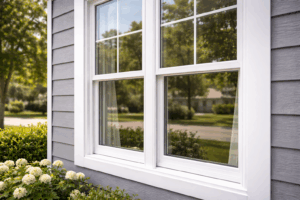
Windows and siding don’t function independently. They meet at critical points where air, moisture, and temperature changes have the greatest impact.
When both are replaced together:
- Sealing and insulation are continuous
- Moisture barriers align properly
- The home exterior performs as one system
Replacing one without the other can leave weak points that reduce the effectiveness of your investment.
Labor Costs Are Lower When Projects Are Combined
Labor is a significant portion of any exterior remodeling project.
When windows and siding are done separately:
- Crews return twice
- Setup and teardown happen twice
- Trim and finishes may be removed and replaced multiple times
By combining projects, much of that labor overlaps—often resulting in lower total installation costs.
Avoid Paying Twice for Trim and Repairs
One of the most overlooked costs comes from window trim and exterior finishing.
If windows are replaced first:
- Existing siding and trim are disturbed
- Some materials may need to be reworked or replaced later
If siding is replaced first:
- Trim may need to be removed again when windows are upgraded
Doing both at once eliminates redundant work and wasted materials.
Better Energy Efficiency From Day One
Windows and siding play major roles in energy performance. When only one is updated, efficiency gains are limited.
Replacing both together allows for:
- Improved wall insulation behind new siding
- Proper flashing and sealing around new windows
- Fewer air leaks and thermal gaps
The result is a home that feels more comfortable immediately—and performs better through every Midwest season.
Cleaner, More Cohesive Curb Appeal
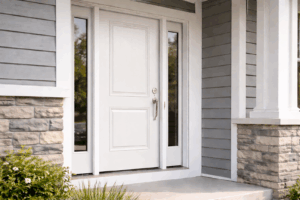
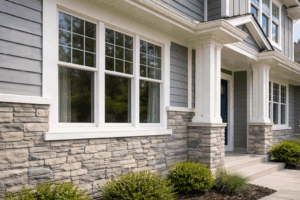
Exterior updates should look intentional, not pieced together over time.
When windows and siding are replaced together:
- Colors and finishes match perfectly
- Trim profiles are consistent
- The home looks fully updated—not halfway done
This cohesive appearance adds noticeable curb appeal and resale value.
Fewer Surprises Behind the Walls
Older homes often hide issues beneath siding or around window openings.
By tackling both projects at once:
- Structural concerns can be addressed proactively
- Moisture damage is discovered earlier
- Repairs are handled before they worsen
This approach reduces the risk of costly surprises down the road.
One Timeline, One Project, Less Disruption
Home improvement projects disrupt daily life—there’s no way around it.
Combining windows and siding means:
- One construction schedule
- One period of noise and activity
- One final walkthrough
Instead of stretching upgrades over years, homeowners complete the transformation efficiently.
Is It Always the Right Move?
Not every home needs both upgrades at the same time. However, combining projects often makes sense when:
- Windows are older and inefficient
- Siding shows wear, fading, or damage
- You plan to upgrade both within a few years anyway
In these cases, bundling projects typically saves money and delivers better results.
Expert Planning Makes the Difference
Coordinating windows and siding requires experience, proper sequencing, and attention to detail.
At Midwest Windows, Siding & Doors, we help homeowners:
Complete exterior upgrades with precision and efficiency
Evaluate whether a combined project makes sense
Select materials that work together visually and structurally