Sliding Patio Doors Can Be a Hidden Energy Drain
Sliding patio doors bring in light and outdoor views, but older models are often one of the least insulated openings in the home. If your home feels cold near the door in winter or hot in summer, your patio door may be part of the problem.
This is especially common in homes throughout Chicago and nearby suburbs, where large temperature swings quickly expose insulation weaknesses.
Why Older Sliding Doors Lose So Much Energy
Many older patio doors were built with minimal insulation compared to today’s standards. Over time, normal wear makes the problem worse.
Common issues include:
- Single-pane or early double-pane glass
- Worn or flattened weatherstripping
- Loose or warped frames
- Failing seals between glass panes
Because patio doors are large, even small inefficiencies can result in noticeable heat loss.
Signs It’s Time to Replace Your Sliding Patio Door
Drafts Near the Door
If you feel cold air around the door during winter or warm air in summer, insulation has likely failed.
Condensation or Fogging
Moisture between glass panes is a clear sign the seal is broken and energy performance is compromised.
Hard-to-Open or Sticking Panels
Doors that drag, stick, or don’t lock properly often have frame or track issues that affect both comfort and security.
Higher Energy Bills
A sudden rise in heating or cooling costs can point to large glass openings — like patio doors — leaking conditioned air.
How Modern Sliding Patio Doors Improve Insulation
Today’s replacement patio doors are engineered for efficiency and comfort, not just appearance.
Key upgrades include:
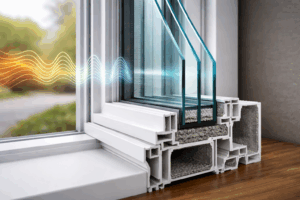
- Double or triple-pane insulated glass
- Low-E coatings that reflect heat
- Argon gas fills between panes
- Tighter seals and improved frame insulation
These features help keep warm air inside during winter and block heat gain during summer.
Comfort Improvements You’ll Actually Notice
Homeowners who replace outdated sliding doors often report:
- Fewer drafts near the door
- More consistent room temperatures
- Improved comfort in adjacent rooms
- Reduced strain on heating and cooling systems
Because patio doors are such a large opening, replacing them can have an immediate impact.
Sliding Door Replacement vs Repair
While minor issues like track cleaning or hardware adjustment can help temporarily, repairs rarely solve insulation problems long-term.
Replacement is usually the better option when:
- Glass seals have failed
- Frames are warped or damaged
- Energy loss is ongoing
- The door is more than 15–20 years old
New doors improve comfort, efficiency, and everyday usability all at once.
Installation Matters More Than Most Homeowners Realize
Even a high-performance patio door won’t insulate properly if it’s installed incorrectly. Poor sealing around the frame can allow air and moisture infiltration.
Professional installation ensures:
- Proper insulation around the opening
- Tight, weather-resistant seals
- Smooth operation and secure locking
- Manufacturer warranty protection
This is especially important in older homes with settling or non-standard openings.=
When Replacement Makes the Most Sense
If your sliding patio door feels drafty, looks dated, or struggles to operate smoothly, replacement may be one of the most impactful upgrades you can make — especially for rooms that never seem comfortable.
Modern patio doors are designed to insulate as well as they look.
Upgrade Comfort Where Indoors Meets Out
If your patio door lets in drafts or never feels quite right, it may be time for an upgrade.
Midwest Windows, Siding & Doors installs high-performance sliding patio doors that improve insulation, comfort, and everyday use.