Brick Homes Need the Right Siding Balance
Brick homes are common across Greater Chicago. You see them in Schaumburg, Naperville, Roselle, Hanover Park, Streamwood, Aurora, Elk Grove Village, and nearby suburbs.
Some homes are full brick. Others have brick on the first floor with siding on the upper level, gables, dormers, or additions.
When siding starts to fade, crack, or look dated, replacing it can make a big difference. The key is choosing a style that works with the brick instead of fighting it.
Good siding should add contrast, protect the home, and make the exterior feel more complete.
1. Traditional Lap Siding
Traditional lap siding is one of the safest and most flexible choices for brick homes.
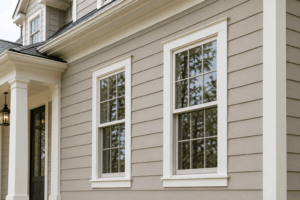
It has clean horizontal lines and works well on ranch homes, split-levels, colonials, and two-story homes. It is often used on upper levels, side walls, rear additions, and garage areas.
Why It Works
Lap siding keeps the exterior simple and polished. It gives the home a fresh look without taking attention away from the brick.
It also works with many brick colors, from red and orange to brown and lighter neutral brick.
Good Color Choices
For red brick, consider warm white, taupe, greige, bronze, or charcoal.
For brown brick, try cream, clay, deep green, or dark gray.
For light brick, navy, black, slate, or medium gray can create a clean contrast.
2. Board and Batten Siding
Board and batten siding uses vertical lines. This can make a home feel taller and more modern.
It works especially well as an accent on gables, dormers, entry areas, and second-story sections.
Why It Works
The vertical look adds interest next to the solid texture of brick. It can update an older home without making it look too trendy.
For many Greater Chicago brick homes, board and batten is best used in smaller areas instead of across the whole exterior.
Good Color Choices
Black, charcoal, soft gray, deep blue, warm white, and bronze all pair well with brick.
3. Shake-Style Siding
Shake-style siding adds texture. It can bring a softer, more detailed look to brick homes.
This style is often used on gables, dormers, and front-facing accents.
Why It Works
Brick already has texture, so shake siding should be used carefully. When placed in the right area, it adds charm without making the home look too busy.
Shake siding is a strong choice for traditional, craftsman, and cottage-style homes.
Good Color Choices
Soft gray, cream, muted blue, weathered wood tones, and warm taupe work well with many brick exteriors.
4. Vertical Siding
Vertical siding gives brick homes a cleaner and more modern feel.
It works well on simple rooflines, newer additions, garage walls, and accent sections.
Why It Works
Vertical siding creates contrast against the brick. It can make the exterior feel more designed and less dated.
This style is a good fit for homeowners who want a sharper, more updated look.
Good Color Choices
Charcoal, black, cool gray, bronze, and crisp white are popular choices for a modern brick-and-siding exterior.
5. Insulated Siding
Insulated siding is a practical option for Chicago-area homes. It has a backing that helps the panels feel more solid and can support a smoother finished look.
Why It Works
Greater Chicago homes deal with cold winters, humid summers, wind, and temperature swings. Insulated siding can be a smart choice for areas where old siding feels loose, thin, or worn out.
It can also help improve the look of larger wall sections.
How to Choose the Right Siding Color for Brick
Red Brick
Red brick looks best with warm, grounded colors.
Good options include cream, beige, taupe, greige, bronze, charcoal, and muted green.
Avoid colors that are too bright, since they can clash with the brick.
Brown Brick
Brown brick works well with earthy colors.
Try warm white, tan, clay, deep green, bronze, or dark gray.
These shades keep the home looking rich and balanced.
Orange Brick
Orange brick needs a softer color plan.
Warm white, light taupe, soft gray, muted olive, and deep brown can all work well.
Black accents can also look sharp when used with the right windows and trim.
White or Painted Brick
White brick gives you more room to play with contrast.
Light gray, beige, black, navy, bronze, and charcoal can all look clean and polished.
Do Not Forget the Trim and Windows
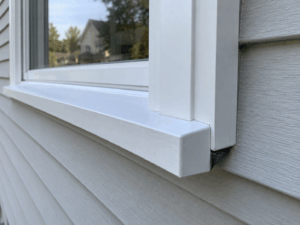
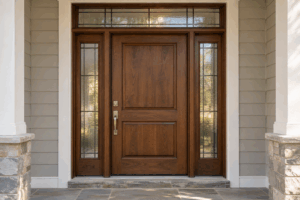
Siding is only one part of the exterior. Trim, windows, soffit, fascia, gutters, and doors all affect the final look.
For example, black replacement windows can make a brick home feel modern. White trim can keep it classic. Bronze accents can add warmth and depth.
The best exterior updates feel planned, not pieced together.
Where Siding Usually Goes on Brick Homes
Many brick homes do not need siding everywhere. Siding is often used on:
Gables, dormers, upper levels, rear additions, side walls, garage areas, and entry accents.
Updating these areas can refresh the whole home without covering the brick.
Signs Your Siding May Need Replacement
Even if the brick still looks good, the siding may be ready for an update.
Common signs include fading, cracks, loose panels, warping, soft trim, storm damage, gaps, or moisture stains.
If repairs no longer blend in, replacement may give your home a cleaner and more consistent look.
Best Overall Siding Style for Brick Homes
For most Greater Chicago brick homes, traditional lap siding is the most versatile choice.
For a more updated look, board and batten or vertical siding can work beautifully as an accent.
For added charm, shake-style siding is a good option in smaller areas.
The right choice depends on your brick color, home style, trim, windows, and curb appeal goals.
Ready to Update Your Brick Home’s Exterior?
Midwest Windows, Siding & Doors can help you choose siding that fits your brick, your home style, and your long-term goals. Get expert guidance, premium materials, and a clean finished look for your Greater Chicago home.