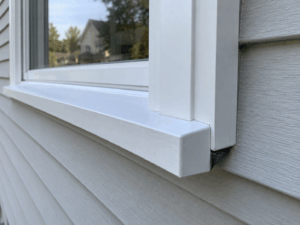
Siding Damage Is Not Always Obvious
After a strong storm, most homeowners check the roof, gutters, and yard first. But siding can take a hit too.
In Greater Chicago, homes deal with wind, hail, heavy rain, falling branches, and fast temperature changes. These conditions can damage siding in ways that are easy to miss from the street.
Some damage is clear right away. Other problems show up weeks or months later as moisture gets behind the panels.
Here is what to look for after a storm.
1. Cracked or Broken Siding Panels
Cracks are one of the most common signs of siding storm damage.
They can happen when hail, branches, or flying debris strike the home. Even small cracks matter because they can let water reach the layer behind the siding.
Walk around your home and look closely at each side. Pay special attention to areas facing the direction of the storm.
If you see broken pieces, split panels, or sharp gaps, it is time to have the siding checked.
2. Loose or Missing Siding
High winds can pull siding away from the wall. In some cases, panels may come loose but not fall off completely.
Look for siding that is lifted, hanging, shifted, or no longer lined up with nearby panels.
Loose siding can allow wind-driven rain to get behind the exterior. This is especially important in Chicago suburbs like Schaumburg, Naperville, Aurora, Roselle, Hanover Park, and Streamwood, where spring and summer storms can be strong.
3. Dents From Hail
Hail can leave dents, chips, or small impact marks on siding.
The damage may look like small round spots. On some siding materials, the marks are easy to see. On others, they are more subtle.
Check areas near downspouts, garage walls, side elevations, and exposed upper sections. You may also notice dents on gutters, trim, or window screens nearby.
If other exterior materials show hail marks, your siding may have damage too.
4. Warping or Buckling
Storm damage can sometimes cause siding to warp or buckle. This may happen after impact, moisture exposure, or movement in the panels.
Warped siding may look wavy, uneven, or pushed out from the wall.
This is more than a cosmetic issue. If siding is no longer lying flat, it may not protect the home as well as it should.
5. Water Stains or Moisture Marks
Moisture damage can appear after heavy rain or wind-driven rain.
Look for stains, streaks, dark patches, soft trim, or discoloration near seams, corners, windows, and doors.
Inside the home, watch for water stains near exterior walls or around window trim. These can be signs that water is getting through the exterior.
A small leak should be handled early before it becomes a larger repair.
6. Damage Around Windows and Doors
Storm damage often shows up where siding meets windows, doors, and trim.
Check for cracked caulk, gaps, loose trim, missing flashing pieces, or siding that has pulled away from the frame.
These areas need a tight seal because they are common entry points for air and water.
If you already have older windows or doors, storm damage can make existing problems worse.
7. Mold, Mildew, or Soft Spots
Mold-like staining, mildew, or soft areas can point to trapped moisture.
This may not appear right after the storm. It can develop over time if water gets behind damaged siding.
Check shaded areas, lower walls, corners, and spots near landscaping. These areas tend to stay damp longer.
If the siding feels soft or spongy, have it inspected before the damage spreads.
What to Do After You Find Siding Damage
Do not ignore siding damage, even if it looks minor.
Start by taking photos of the affected areas. Note the date of the storm and where the damage appears. Avoid pulling panels off or making major changes before the siding is inspected.
A professional can check whether the damage is surface-level or part of a larger moisture issue.
Repair or Replace?
Small areas of damage may be repairable if matching material is available and the rest of the siding is in good shape.
Replacement may be the better option if the siding is older, brittle, faded, badly damaged, or damaged across several areas of the home.
If repairs will stand out or fail to solve the problem, full siding replacement may give you a cleaner and more durable result.
Final Takeaway
Storm damage on siding can affect curb appeal, comfort, and weather protection. The key is catching it early.
Look for cracks, dents, loose panels, warping, water stains, damaged trim, and soft spots. If something looks off, have it checked before moisture causes more trouble.
For Greater Chicago homeowners, a quick siding inspection after a major storm can help protect the home and prevent bigger repairs later.
Need Help Checking Your Siding After a Storm?
Midwest Windows, Siding & Doors can inspect your exterior, explain what needs attention, and help you choose the right siding solution for your Greater Chicago home.