Older Homes Need a Careful Window Replacement Plan
Older homes across Greater Chicago have character you do not want to lose. From brick homes in established suburbs to classic colonials, ranches, bungalows, and split-levels, the windows play a big role in the home’s style.
But older windows can also create problems. Drafts, sticking frames, foggy glass, worn locks, and faded trim can make the home less comfortable and harder to maintain.
Replacing windows can help, but it should be done with care. The goal is to improve performance while keeping the home’s exterior balanced and attractive.
Start With the Condition of the Existing Windows
Before choosing new windows, look at what is no longer working.
Common signs include cold drafts, condensation between panes, peeling trim, soft wood, broken locks, cracked caulk, or windows that are hard to open and close.
In the Chicago area, these problems often feel worse in winter. Cold air can make certain rooms uncomfortable, especially near large picture windows, bay windows, or older double-hung units.
If several windows have the same issues, replacement may be a smarter investment than repeated repairs.
Keep the Home’s Original Style in Mind
New windows should not look out of place. Older homes often have strong design details, so window style matters.
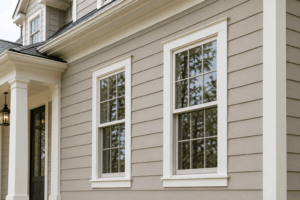
Double-hung windows are common on traditional homes. Casement windows work well in many brick and suburban designs. Picture windows can preserve a wide front view. Bay and bow windows can add dimension while keeping a classic look.
The best replacement window should feel like it belongs on the home, even if it performs much better than the old one.
Match the Right Frame Color
Frame color can change the whole exterior.
White windows give a clean, classic look. Black windows create contrast and a more modern feel. Bronze, beige, or clay tones can work well with brick, stone, or warmer siding colors.
For older brick homes in Schaumburg, Naperville, Roselle, Streamwood, Hanover Park, and Aurora, the right color often depends on the brick tone, trim, roof color, and front door.
A thoughtful color choice can make the home feel updated without losing its character.
Check the Window Openings
Older homes do not always have perfectly square openings. Over time, houses settle. Trim shifts. Frames may warp. Previous repairs may also affect the opening.
That is why careful measuring matters.
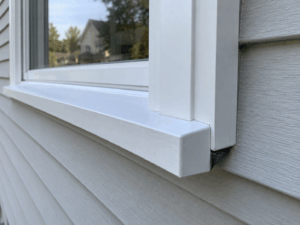
A proper fit helps reduce air leaks, water problems, and uneven trim lines. It also helps the finished window look clean inside and outside.
This is one reason professional installation is especially important in older homes.
Do Not Overlook Flashing and Sealing
A new window is only as good as the installation around it.
Flashing, insulation, caulking, and exterior trim details help protect the opening from air and water. This matters in Greater Chicago, where homes face snow, rain, wind, humidity, and freeze-thaw cycles.
Poor sealing can lead to drafts or moisture problems, even with a quality window.
When replacing windows in an older home, the details behind the trim are just as important as the glass you see.
Think About Energy Efficiency
Older windows can allow heat to escape in winter and enter during summer. Replacement windows can help improve comfort by reducing drafts and improving insulation.
Look for options with insulated glass, quality weatherstripping, and frame materials designed for long-term performance.
Energy efficiency does not mean every room will feel perfect overnight, but it can help your home feel more consistent and easier to enjoy.
Replace One Area or the Whole Home?
Some homeowners replace every window at once. Others start with the worst areas.
Both approaches can work.
If your budget allows, replacing all windows together creates a consistent look and avoids matching issues later. If you prefer to phase the project, start with the rooms that feel cold, have damaged frames, or face the most weather.
Front-facing windows are also a smart place to start if curb appeal is a priority.
Consider Siding, Doors, and Trim at the Same Time
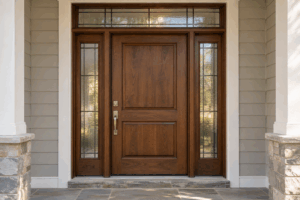
Windows connect visually with the rest of the exterior. If your siding, entry door, or patio door is also aging, it may be worth planning these upgrades together.
You do not always have to complete everything at once. But having a long-term exterior plan helps avoid mismatched colors, trim, or styles.
This is especially helpful for brick homes with siding accents or older homes with dated trim.
What Homeowners Should Expect During Installation
Window replacement is usually more straightforward than many homeowners expect.
Your installer will remove the old window, prepare the opening, set the new unit, insulate and seal it, then finish the trim. The exact process depends on the window type and condition of the opening.
In older homes, installers may find hidden issues like soft wood, old caulk buildup, or uneven framing. A good team will address these details before finishing the work.
Final Takeaway
Replacing windows in an older Chicago-area home is about more than swapping old glass for new glass.
It is about fit, style, sealing, efficiency, and preserving the home’s character. With the right product and installation plan, new windows can make your home more comfortable, easier to maintain, and more polished from the street.
Ready to Upgrade Your Older Home’s Windows?
Midwest Windows, Siding & Doors can help you choose replacement windows that fit your home’s style, improve comfort, and create a clean finished look across your Greater Chicago exterior.