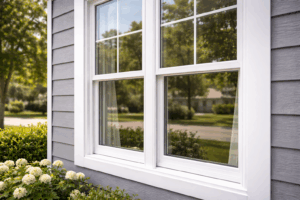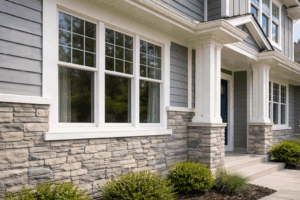
Large picture windows are one of the most requested upgrades among homeowners who want brighter interiors and modern curb appeal. But in cold-weather regions like the Chicago suburbs, many homeowners hesitate.
Will a big window make your home colder?
Will energy bills spike in winter?
Is the look worth the risk?
The short answer: large picture windows can be a smart investment in cold climates — if they’re designed and installed correctly. Let’s break down what really matters.
Why Homeowners Love Large Picture Windows
Picture windows create visual impact. They frame outdoor views, flood rooms with daylight, and instantly modernize a home’s appearance.
Key Benefits
- Maximum natural light without grilles or dividers
- Clean, contemporary aesthetics
- Improved resale appeal, especially in updated neighborhoods
- No moving parts, which means fewer air leaks than operable windows
In theory, a fixed picture window can actually be more airtight than smaller, operable units.
So where does the concern come from?
The Real Cold-Climate Risk (And It’s Not the Size)
The biggest risk with large picture windows in cold climates isn’t the glass size — it’s poor thermal performance.
Older or builder-grade picture windows often lack:
- Advanced glass coatings
- Insulated frames
- Proper installation sealing
When that happens, heat escapes quickly during Midwest winters.
Common Problems We See in Chicagoland Homes
- Cold drafts near large windows
- Condensation or frost buildup
- Rooms that feel colder than the rest of the house
- Rising heating costs in winter
These issues are performance-related, not design-related.
What Makes a Large Picture Window Energy-Efficient?
Modern window technology has changed the game. A properly built picture window can perform exceptionally well — even in freezing temperatures.
Features to Look For
- Double- or triple-pane glass with insulated air spaces
- Low-E coatings that reflect indoor heat back into your home
- Argon or krypton gas fills for added insulation
- Warm-edge spacers to reduce edge-of-glass heat loss
- Thermally efficient frames (vinyl or composite outperform aluminum)
When these elements are combined, a large picture window can meet — or exceed — energy performance standards for cold regions.
Does More Glass Mean More Heat Loss?
This is the most common misconception.
Yes, glass insulates differently than a fully insulated wall. But modern high-performance glass has narrowed that gap significantly.
What Actually Matters
- U-Factor (how well the window insulates)
- Solar Heat Gain Coefficient (SHGC) (how much winter sun heat enters your home)
- Installation quality
A poorly installed small window will lose more heat than a properly installed large one.
Smart Design Tips for Cold-Climate Picture Windows
Large picture windows work best when they’re planned strategically.
Placement Matters
- South-facing windows can capture winter solar heat
- North-facing windows should use the highest insulation ratings
Pairing With Operable Windows
Many homeowners choose a large fixed picture window flanked by:
- Casement windows
- Double-hung windows
This provides ventilation without sacrificing energy efficiency.
Are Large Picture Windows Worth It in Chicago Winters?
For most homeowners, yes — when done right.
They offer:
- Brighter interiors during long winter months
- Strong architectural appeal
- Energy performance that rivals traditional window layouts
The key is working with a contractor who understands cold-climate specifications, not just aesthetics.
Ready to Upgrade Your Windows Without the Guesswork?
Large picture windows can transform your home — but only when they’re engineered for Midwest winters and installed by professionals who understand cold-climate performance.
Schedule a consultation with Midwest Windows, Siding & Doors to explore energy-efficient picture window options designed specifically for Chicago-area homes. Our team will help you choose the right glass, frame, and layout for long-term comfort, efficiency, and style — with no shortcuts and no surprises.