Why Energy Efficiency Matters for Chicago Homes
Homes in the Chicago area experience wide temperature swings throughout the year. Winters often bring freezing temperatures and strong winds, while summers can be humid and hot. Because of these conditions, maintaining a well-insulated home exterior is essential for comfort and energy savings.
While many homeowners focus on attic insulation or window upgrades, siding also plays an important role in protecting a home from heat loss and air infiltration.
Insulated siding has become increasingly popular across the Midwest because it adds another layer of thermal protection to the home’s exterior walls. But does it actually make a noticeable difference in energy efficiency?
Understanding how insulated siding works can help homeowners decide whether it’s the right upgrade for their property.
What Is Insulated Siding?
Insulated siding is similar to traditional vinyl siding but includes a rigid foam insulation layer attached behind each panel. This additional layer helps reduce thermal bridging, which occurs when heat escapes through wall studs and exterior materials.
Unlike standard siding, insulated siding is designed to provide both protection and improved thermal performance.
Key Features of Insulated Siding
Most insulated siding systems include:
- Rigid foam insulation backing
- Durable vinyl exterior panels
- Improved panel stability and thickness
- Enhanced weather resistance
The foam insulation fits tightly against the exterior wall, creating a more consistent barrier that helps regulate indoor temperatures.
How Insulated Siding Improves Energy Efficiency
One of the main advantages of insulated siding is its ability to reduce heat transfer through exterior walls.
In Chicago’s cold winters, heat naturally moves from inside the home toward the colder outdoor environment. Without proper insulation, that heat escapes more easily, forcing your heating system to work harder.
Insulated siding helps slow this heat loss.
Reduced Thermal Bridging
Wall studs can act as pathways for heat transfer. Insulated siding covers these areas with a continuous insulation layer, helping minimize energy loss.
Improved Air Sealing
Although siding itself is not a complete air barrier, insulated siding can help reduce small gaps and drafts that contribute to energy inefficiency.
Better Temperature Stability
Homes with insulated siding often experience more stable indoor temperatures because the exterior wall system provides additional thermal protection.
This means fewer cold spots during winter and less heat entering the home during summer.
Benefits Beyond Energy Efficiency
While improved insulation is a major advantage, insulated siding offers several additional benefits for homeowners in the Chicago area.
Increased Exterior Durability
Chicago weather can be tough on building materials. Wind, snow, ice, and heavy rain all place stress on exterior surfaces.
The rigid foam backing in insulated siding provides extra support to the siding panels, helping them resist impact and maintain their shape over time.
Reduced Outside Noise
Insulated siding can also help reduce sound transfer from outside.
For homes located near busy streets or train lines, this added sound dampening can noticeably improve indoor comfort.
Improved Curb Appeal
Insulated siding often has a thicker profile than traditional vinyl siding, giving the exterior a more solid and refined appearance.
Modern siding options also come in a wide variety of colors, textures, and styles designed to complement both traditional and contemporary homes.
Low Maintenance
Unlike wood siding, insulated vinyl siding does not require painting or staining. It is designed to resist moisture, fading, and insect damage, making it easier to maintain over time.
How Much Energy Savings Can You Expect?
Energy savings from insulated siding vary depending on the home’s existing insulation, construction, and age.
For many Chicago homes—especially older properties with limited wall insulation—insulated siding can provide noticeable improvements in energy efficiency.
While it may not replace the need for proper wall insulation inside the home, it works as a complementary layer that enhances overall thermal performance.
Homeowners often report benefits such as:
- Lower heating costs during winter
- Reduced cooling demands in summer
- Improved comfort near exterior walls
- More consistent indoor temperatures
Over time, these improvements can help offset the investment in exterior upgrades.
Is Insulated Siding Worth It for Older Chicago Homes?
Many homes throughout the Greater Chicago area were built decades ago and may not meet modern insulation standards.
In these cases, insulated siding can provide an effective way to upgrade energy performance without major interior renovations.
Older homes often experience issues such as:
- Drafty exterior walls
- Uneven indoor temperatures
- Higher heating costs
- Aging exterior materials
Installing insulated siding can address several of these issues at once by improving both protection and appearance.
When Insulated Siding Makes the Most Sense
Insulated siding is often a smart choice when homeowners are already planning an exterior renovation.
Situations where insulated siding makes sense include:
Full Siding Replacement
If your existing siding is worn, damaged, or outdated, upgrading to insulated siding can provide additional value during the replacement process.
Exterior Renovations
Home improvement projects that involve windows, doors, or trim upgrades are also good opportunities to improve exterior insulation.
Improving Energy Efficiency
Homeowners looking to reduce heating and cooling costs may benefit from the added insulation layer.
Pairing Insulated Siding with Other Exterior Upgrades
For maximum energy performance, insulated siding is often combined with other exterior improvements.
Many Chicago homeowners upgrade multiple exterior elements at the same time to improve the entire building envelope.
Common combinations include:
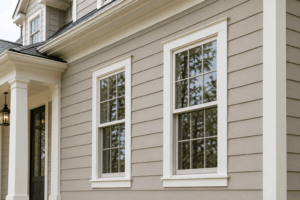
- Replacement windows
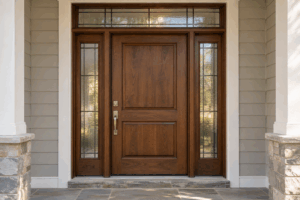
- Entry and patio doors
- Updated house wrap or moisture barriers
- New trim and soffit systems
When these elements work together, the home becomes more efficient, comfortable, and durable against Midwest weather conditions.
Choosing the Right Siding for Midwest Weather
Not all siding products are designed to handle the climate challenges of the Midwest.
When selecting siding materials for Chicago homes, it is important to consider:
- Wind resistance
- Moisture protection
- insulation value
- durability in freeze-thaw cycles
High-quality insulated siding systems are engineered to withstand these conditions while maintaining appearance and performance over time.
Upgrade Your Home’s Exterior Performance
If your home’s siding is aging or your energy bills continue to rise, insulated siding may be worth considering.
Improve Comfort and Efficiency
Modern siding systems can help reduce heat loss, improve indoor comfort, and protect your home from Chicago’s changing weather conditions.
Explore Insulated Siding Options in Chicago
The team at Midwest Windows, Siding & Doors works with homeowners across Schaumburg, Naperville, Aurora, and the Greater Chicago area to install siding solutions designed for Midwest climates.
A professional consultation can help you understand your siding options and determine whether insulated siding is the right fit for your home.
Upgrade Your Home’s Energy Efficiency
Insulated siding can help your home stay warmer in winter, cooler in summer, and better protected from Chicago’s demanding weather.
Schedule Your Exterior Consultation
Connect with Midwest Windows, Siding & Doors to explore siding options designed for Midwest homes and discover how a well-planned exterior upgrade can improve comfort, efficiency, and curb appeal.